

5 Surprising Dangers of Acetone
Acetone is everywhere—from the nail polish remover in your bathroom to paint thinners and industrial cleaners. This colorless, volatile liquid is prized for its powerful solvent properties, but beneath its familiar sharp scent lie some serious health and safety risks that often go overlooked.
1. Skin Irritation and Dryness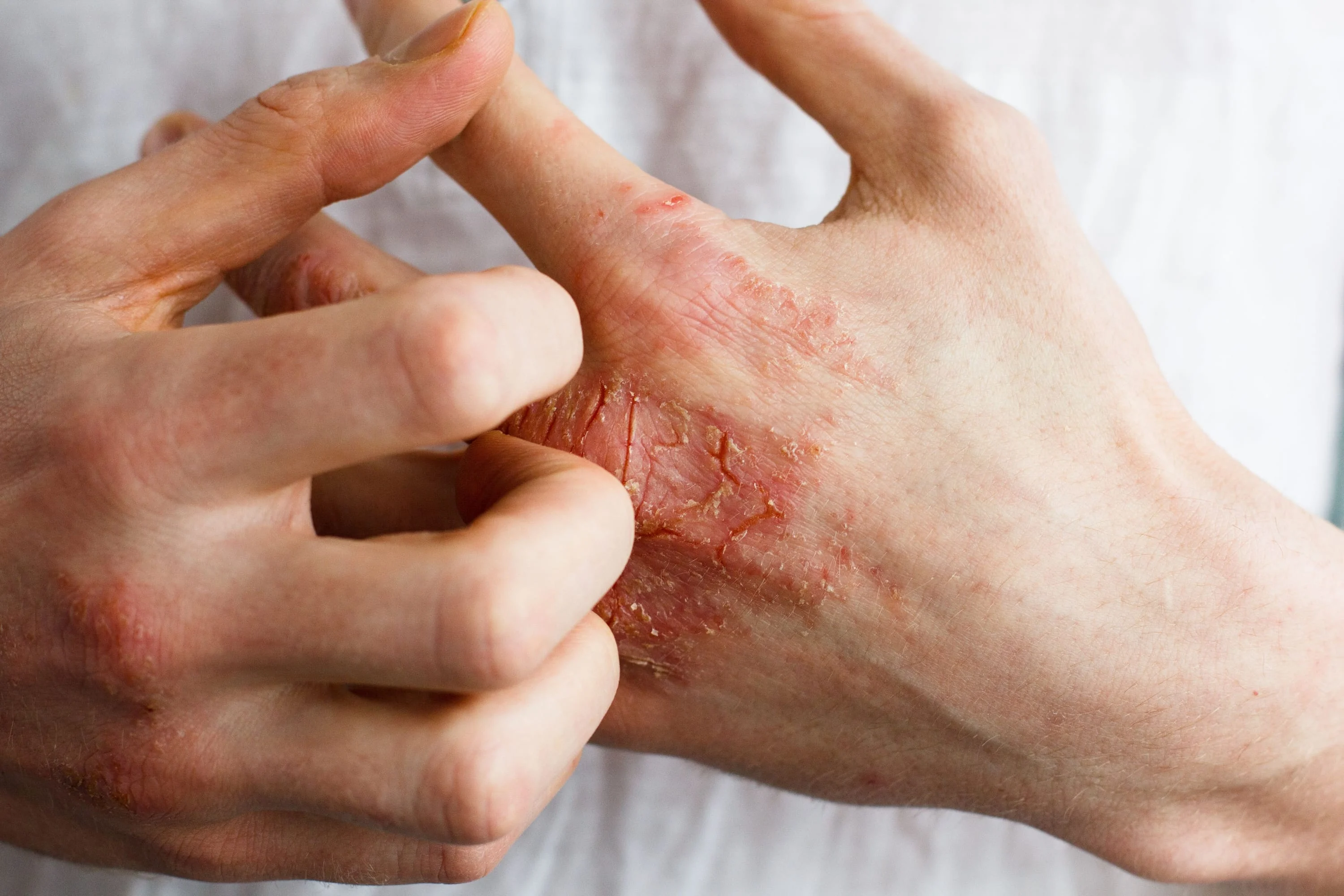
Acetone strips away natural oils from your skin, acting like a super-powered degreaser. Even short contact can cause redness, itching, dryness, and peeling. Prolonged exposure may lead to cracking or chemical burns.
2. Respiratory Issues
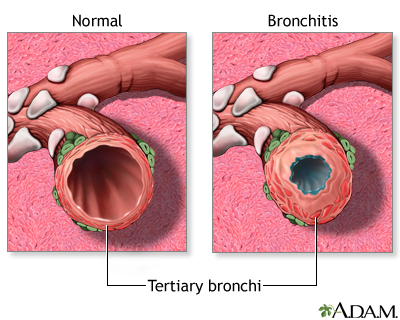
Inhaling acetone fumes irritates the nose, throat, and lungs. You might experience coughing, shortness of breath, chest tightness, headaches, dizziness, or nausea. In poorly ventilated spaces, high concentrations can make symptoms worse quickly.
3. Eye Damage
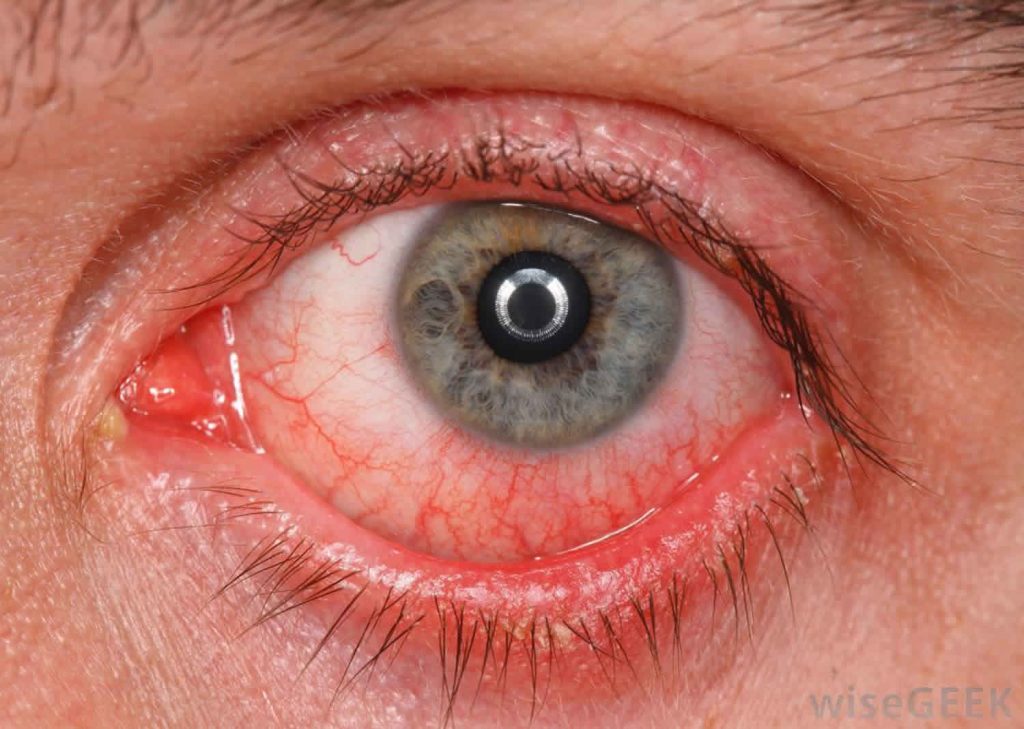
A splash of acetone in the eyes causes immediate burning, redness, tearing, and blurred vision. Vapors alone can lead to ongoing irritation. Always wear protective goggles.

4. Extreme Flammability
Acetone is highly flammable with a very low flash point—it can ignite from a spark, open flame, or even static electricity. Vapors travel and can explode in confined spaces.
5. Environmental Impact
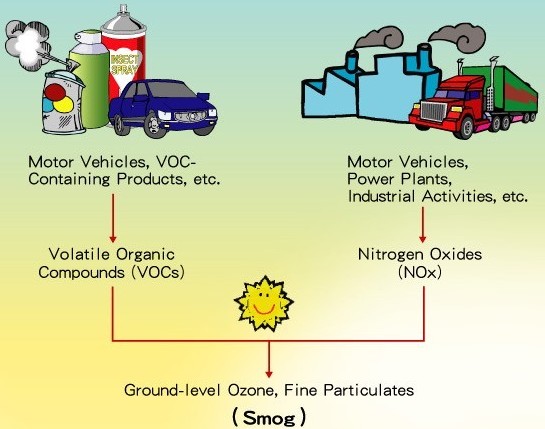
As a volatile organic compound (VOC), acetone contributes to air pollution and smog when released into the atmosphere. Improper disposal can harm soil, water, plants, and wildlife.
A Note on Cancer Risks
You may have heard claims linking acetone to cancers like lung, breast, or skin cancer. However, major health agencies (EPA, IARC, NIH) have reviewed the evidence and concluded that data are inadequate to classify acetone as carcinogenic to humans. There is no strong scientific link from typical exposure levels.

How to Stay Safe: Simple Precautions
- Work in a well-ventilated area
- Wear nitrile gloves, safety goggles, and a mask
- Store in approved containers away from heat
- Read product labels and follow instructions
- If symptoms appear, stop use, get fresh air, and see a doctor if needed

Acetone is incredibly useful, but respect its power. By understanding these dangers and taking easy precautions, you can use it without worry.
Sources: EPA IRIS, ATSDR Toxicological Profile for Acetone, IARC, NIH/NCBI.